Optimal Timing for Shed Roof Repairs
Timing is a crucial factor in ensuring the longevity and effectiveness of shed roof repairs. The optimal period for conducting repairs typically depends on weather conditions, temperature, and humidity levels. Performing repairs during dry, mild weather minimizes the risk of water infiltration and allows materials to set properly. Spring and early summer are often considered ideal seasons due to moderate temperatures and lower chances of rain, which can hinder repair work.
Dry seasons with stable weather conditions are best for roof repairs to ensure proper adhesion and curing of materials.
Temperatures that are too hot or too cold can affect the effectiveness of roofing materials, making moderate temperatures ideal.
Low humidity prevents moisture from interfering with roofing adhesives and sealants, promoting better repair outcomes.
Heavy rain, snow, or strong winds can delay repairs and compromise the quality of work.
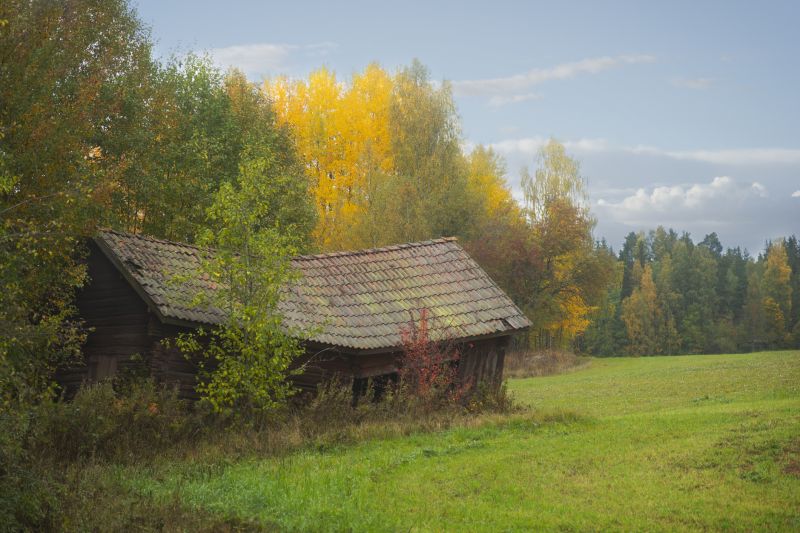
Optimal weather conditions for repairs during spring.
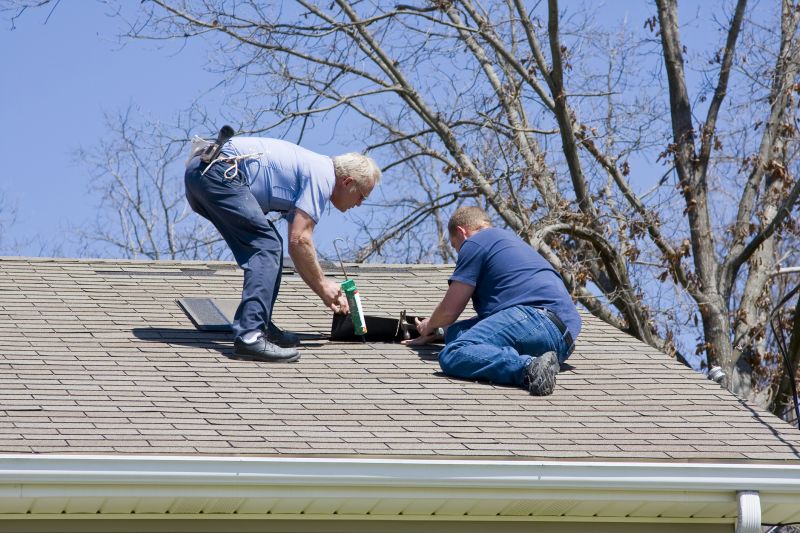
Ideal temperatures facilitate proper sealing and fixing.
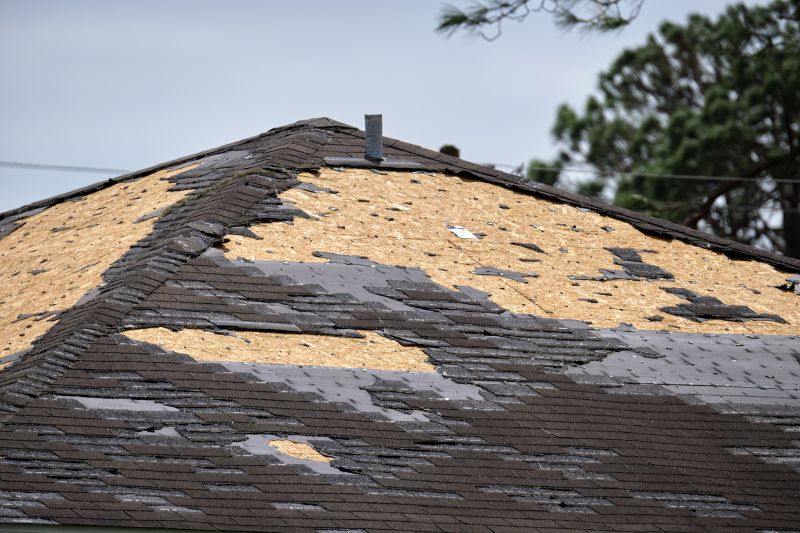
Ensures effective application of roofing materials.
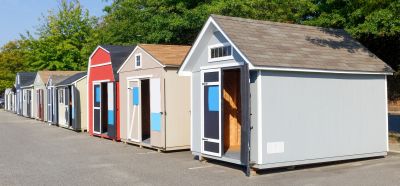
Ways to make Shed Roof Repairs work in tight or awkward layouts.
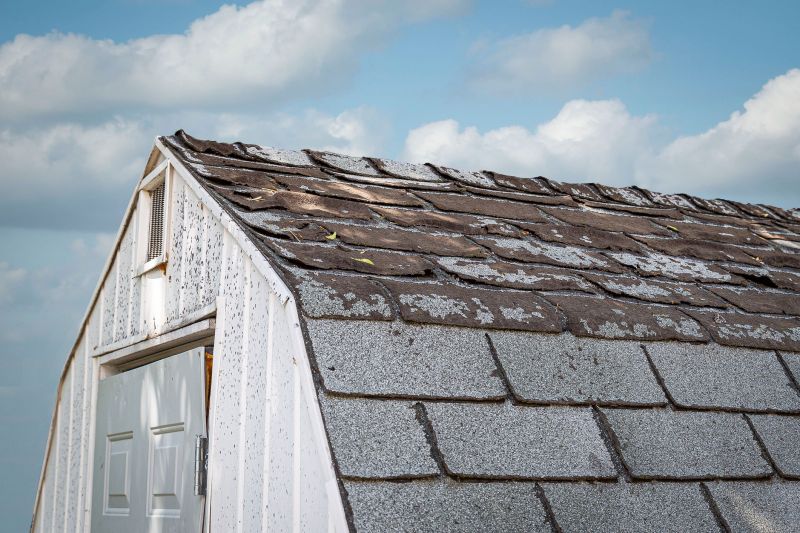
Popular materials for Shed Roof Repairs and why they hold up over time.
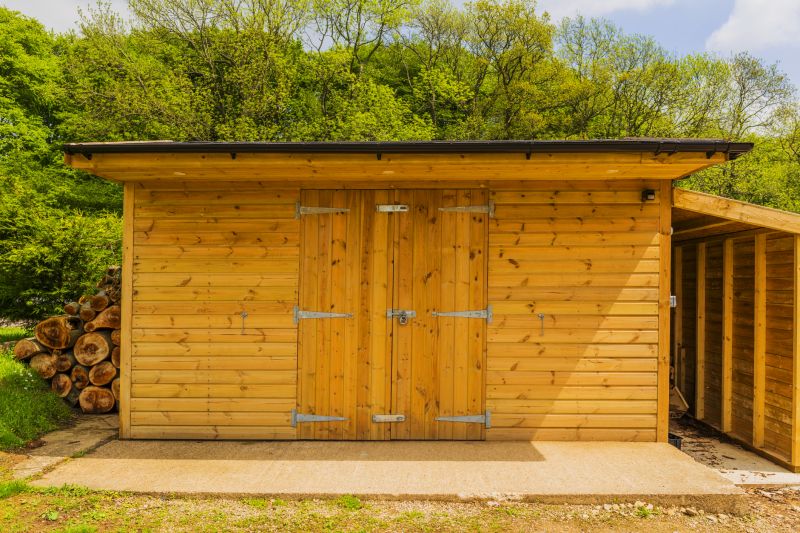
Simple add-ons that improve Shed Roof Repairs without blowing the budget.
Shed roof repairs are essential for maintaining structural integrity and preventing water damage. Regular inspections can identify issues such as leaks, damaged shingles, or deteriorated flashing. Addressing these problems promptly can extend the lifespan of the roof and prevent costly repairs in the future. Proper timing of repairs ensures materials adhere correctly and that the work is durable.
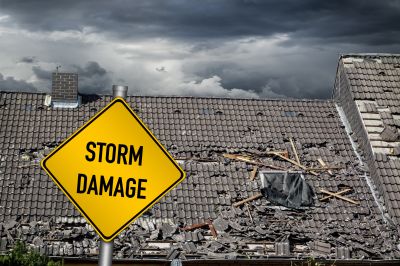
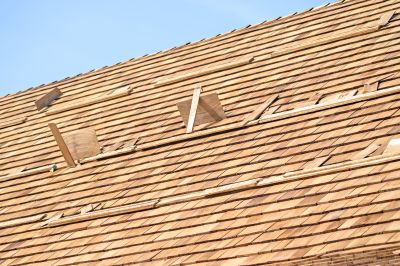
Identifying early signs of damage.
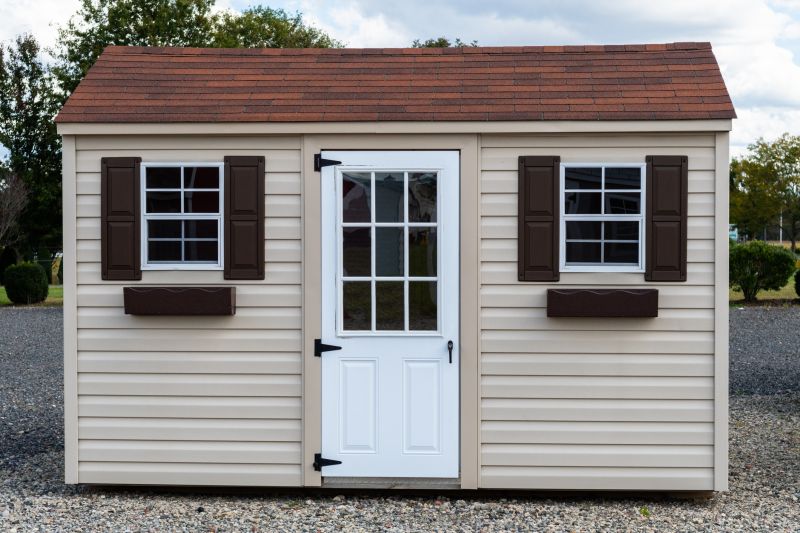
Using appropriate materials for long-lasting results.
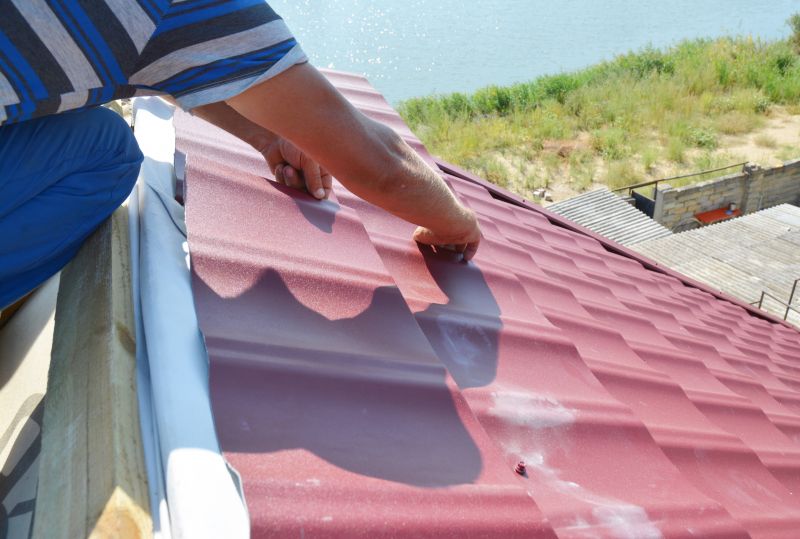
Step-by-step fixing of shed roof issues.
Completed repairs enhancing durability.
High-end options that actually feel worth it for Shed Roof Repairs.
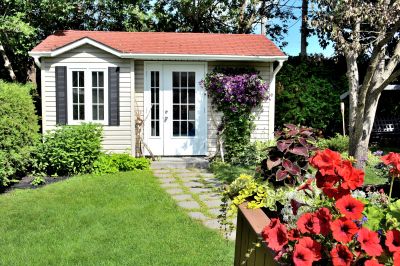
Finishes and colors that play nicely with Shed Roof Repairs.
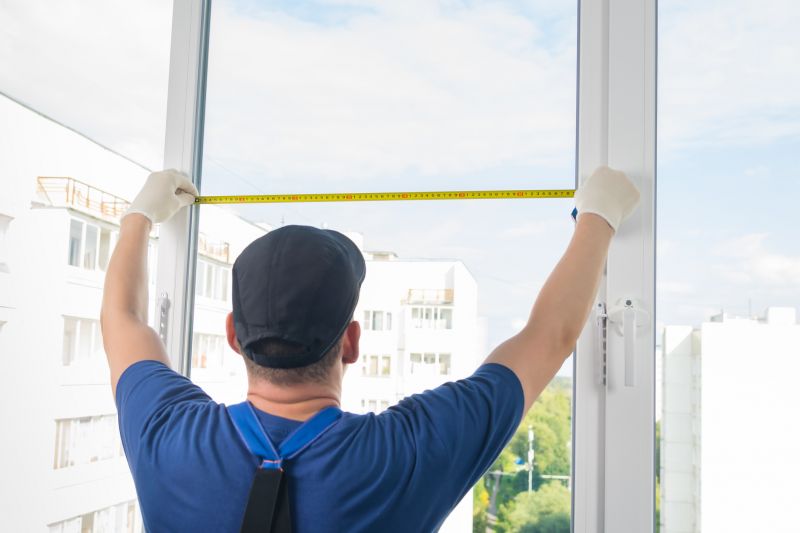
Little measurements that prevent headaches on Shed Roof Repairs day.
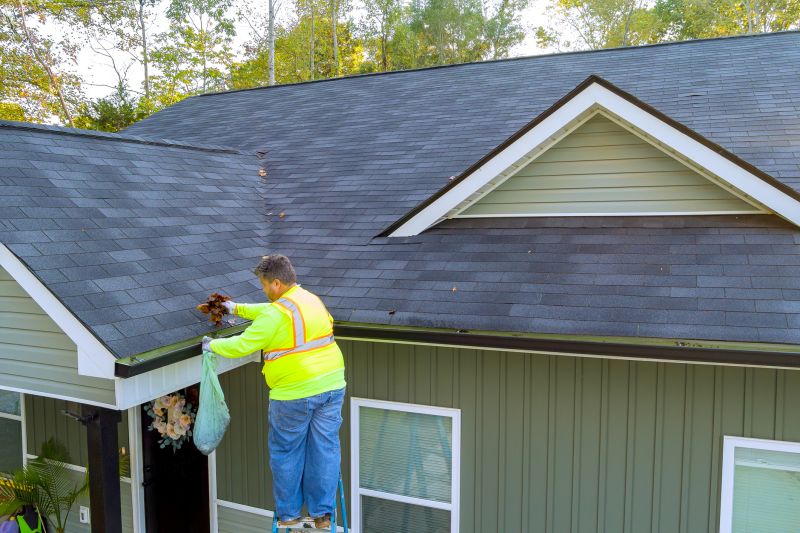
A 60-second routine that keeps Shed Roof Repairs looking new.
| Factor | Best Conditions for Repairs |
|---|---|
| Weather | Dry, mild weather with low chance of rain |
| Temperature | Moderate temperatures between 60-75°F |
| Humidity | Low humidity levels |
| Season | Spring and early summer |
| Wind | Calm or light winds |
Choosing the right time for shed roof repairs can significantly impact the quality and durability of the work. Planning repairs during favorable weather conditions ensures materials perform as intended and reduces the risk of rework. Regular maintenance and timely repairs help preserve the shed's structural integrity and prevent more extensive damage over time.
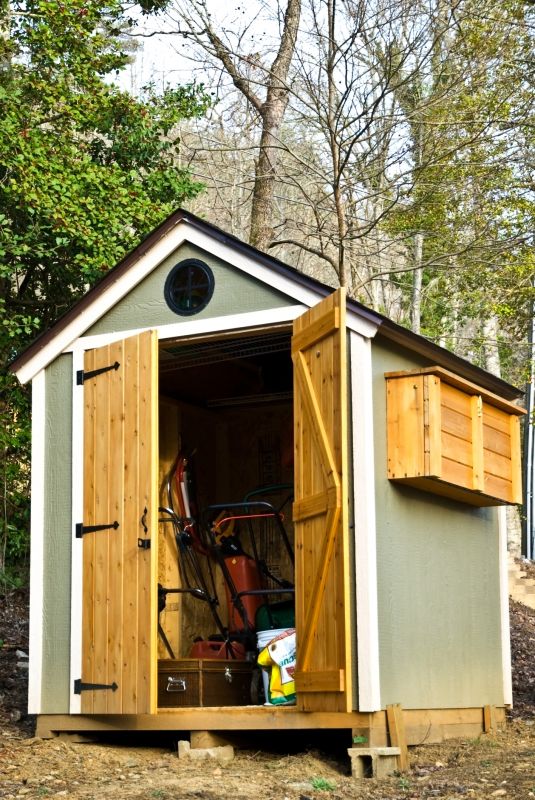
Tools used for effective repairs.
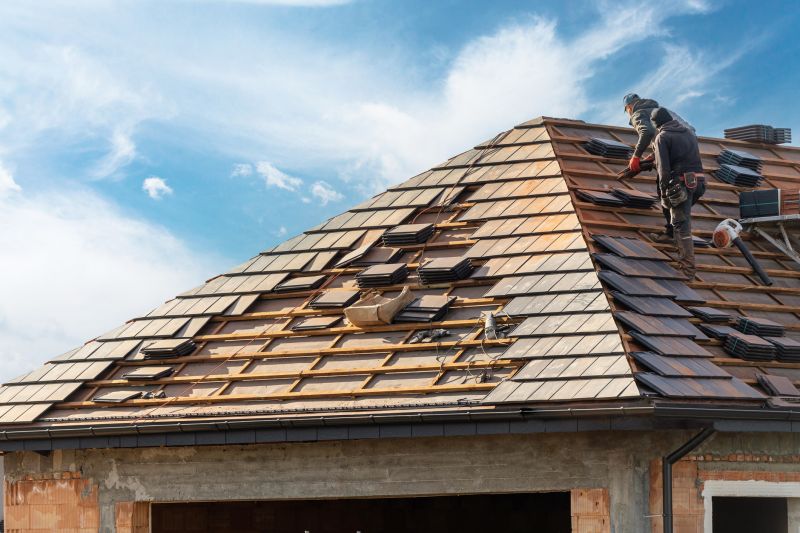
Professional repair in progress.
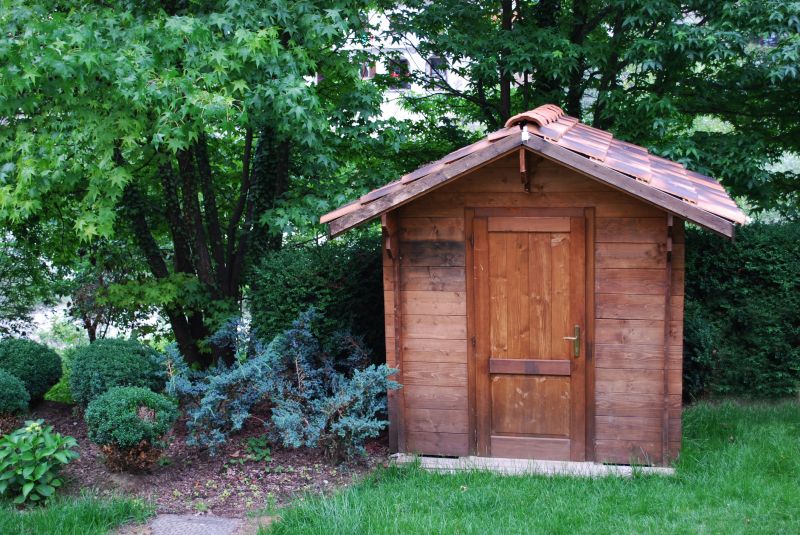
Durable and weather-resistant roof.
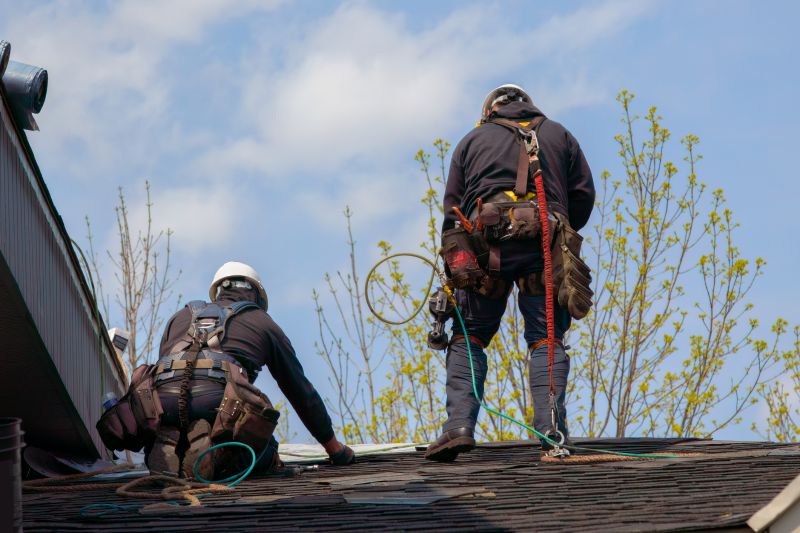
A frequent mistake in Shed Roof Repairs and how to dodge it.

Small tweaks to make Shed Roof Repairs safer and easier to use.
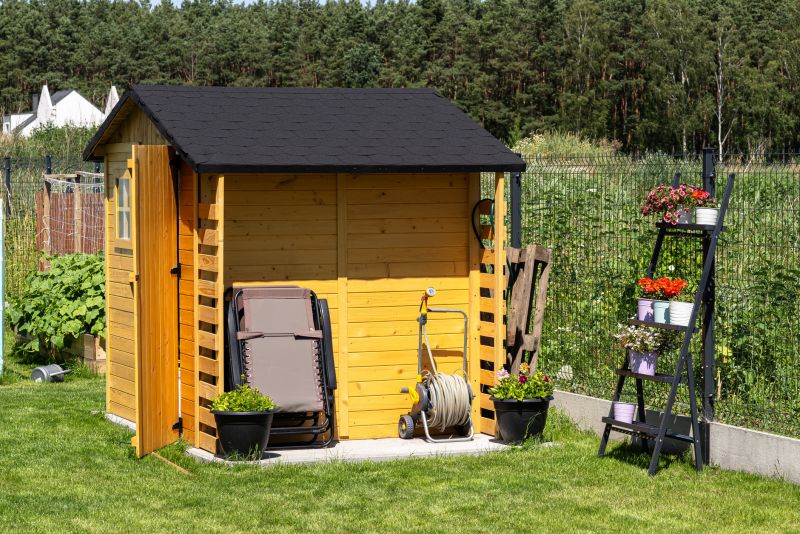
Lower-waste or water-saving choices for Shed Roof Repairs.
Interested in shed roof repairs? Filling out the contact form can provide more information and help schedule a consultation to assess repair needs and optimal timing.